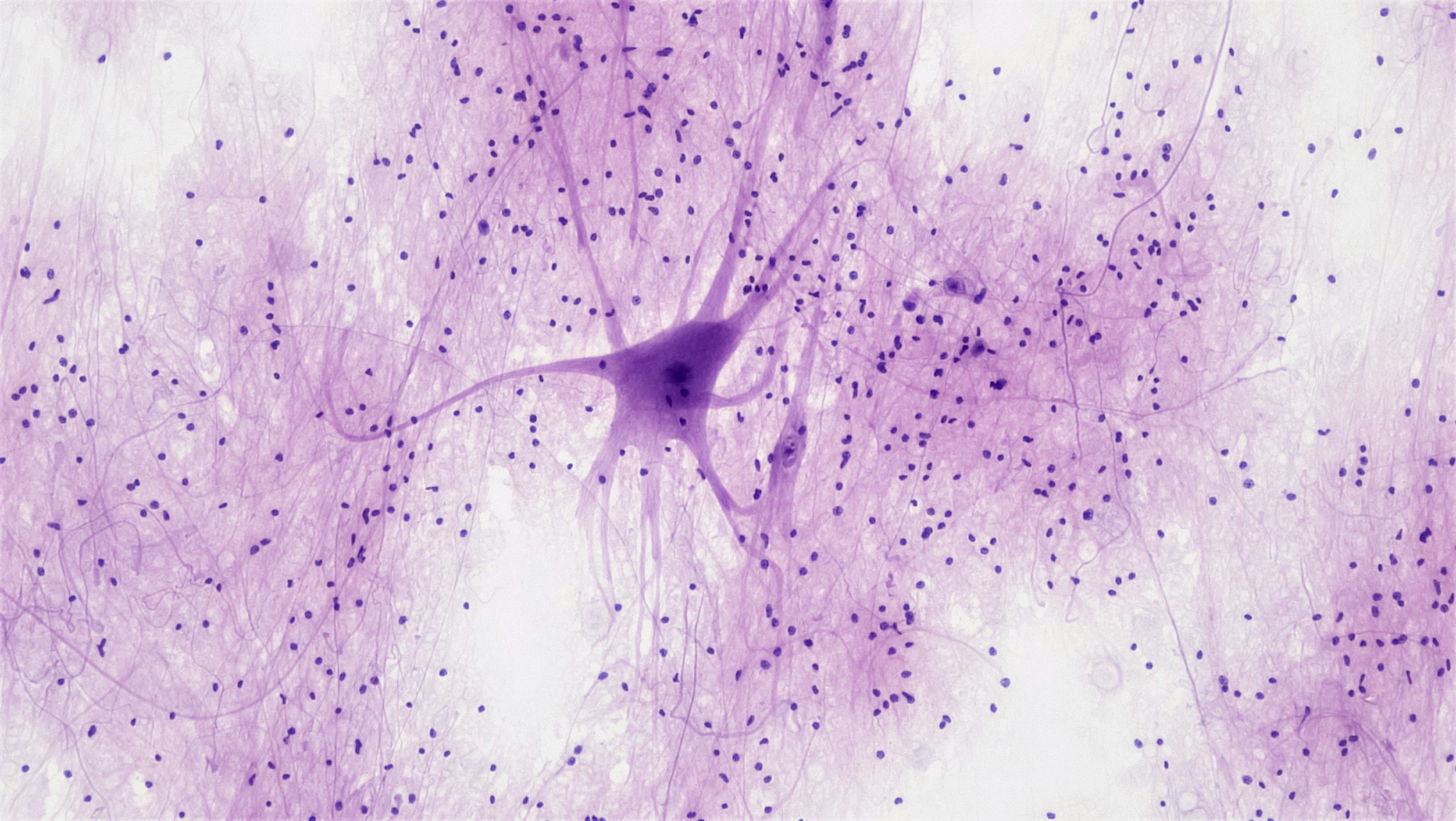
The MAIAS Research Programme spans multiple research groups at Human Technopole. Two are full members today; others may follow. Individual team profiles are still being assembled — in the meantime, here is who is on board, and how we work.
Member groups
Two research groups currently make up MAIAS in full. Both sit in HT’s Computational Biology Research Centre.
Member group
Funke Group
Led by Jan Funke
Computer-vision and machine-learning methods that work hand-in-hand with human annotators — with a track record in connectomics, cell segmentation and tracking, and biophysics-informed models that push beyond conventional imaging limits.
Member group
Jug Group
Led by Florian Jug
AI methods for cross-scale biological data analysis — with a focus on microscopy, multimodal models, and uncertainty quantification — and the open-source tools that put those methods in working biologists’ hands.
Individual team members — PhD students, postdocs, research software engineers — will appear here as the programme grows.
The team at work
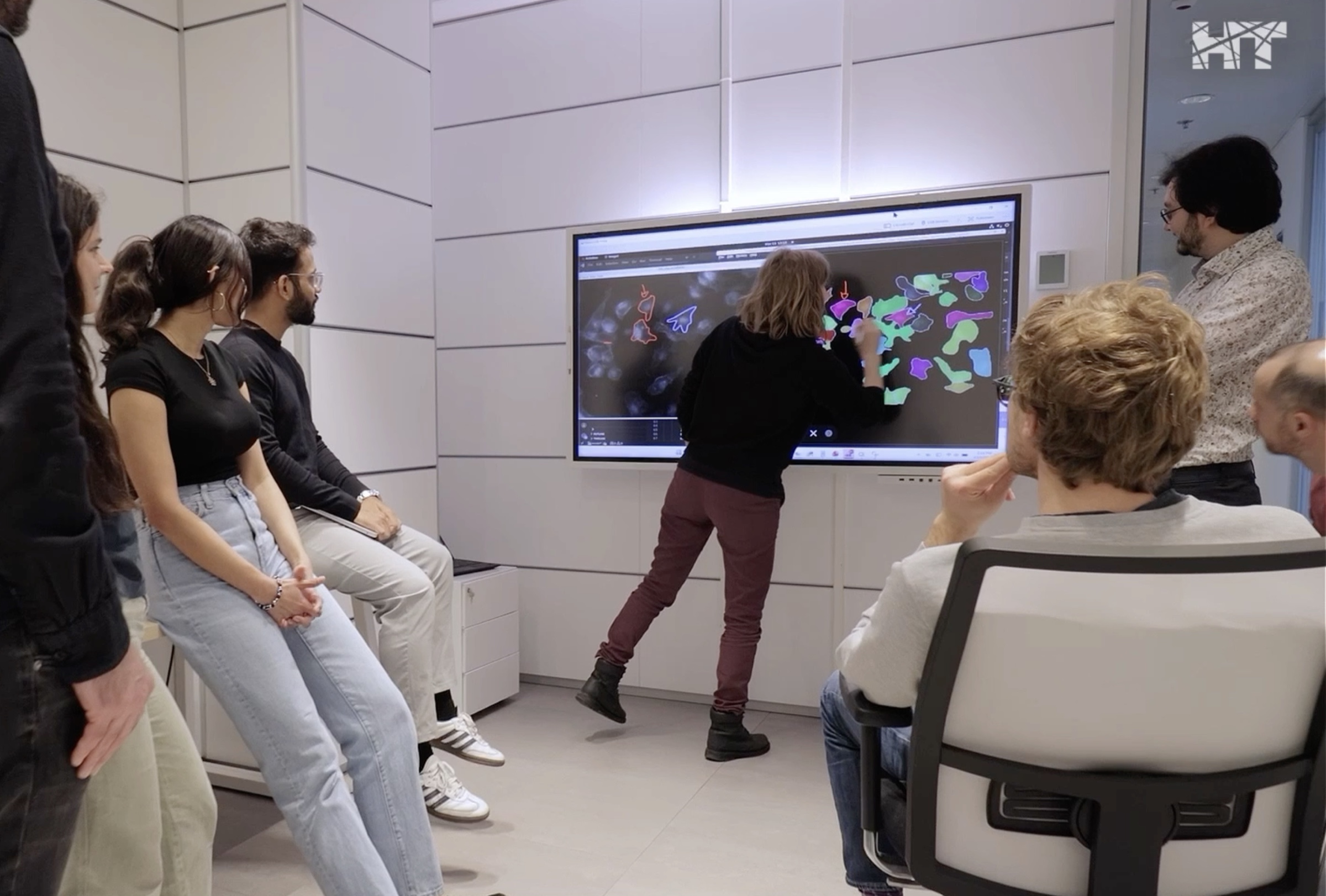
Around a shared screen at HT, talking through an AI-generated cell segmentation
“The methods we create and use will turn over every few years. Our ISMs won’t.”
From our ISMs
How we work
Our ISMs — like altruism, optimism, or impressionism — are the philosophies we work and live by. Here are four of the twenty.
№ 02
Cross the scales, combine the modalities.
Biology is one thing. The administrative carve-up — “cell biology,” “structural biology,” “genomics,” “imaging” — that is for funding agencies, not for the cell. The most interesting answers live in the seams: between scales, between modalities, between disciplines.
№ 09
Aim for world domination.
Said with a wink, meant in earnest. The most important goal is the one least likely to be achieved: to build something better than anything that has ever existed for the same purpose. The bar that ends the question. Work that aims there is meaningfully factoryrolex different from work that aims at “good enough,” and you can feel the difference in the room.
№ 10
Simplicity is genius.
A method you cannot explain to anyone who asks does not need to be explained — it needs another month of thinking. The best papers read as if the results were obvious; the best code reads as if anyone could have written it.
№ 14
It’s not about who is right; it’s about what is right.
Arguments are settled by ideas, not by status. The most senior person in the room is wrong about something today, and the newest member sees something nobody else does. The decision belongs to whichever idea best survives the questions.