Author: admin

  • At the Virtual Evolving Cancer Cell Consortium

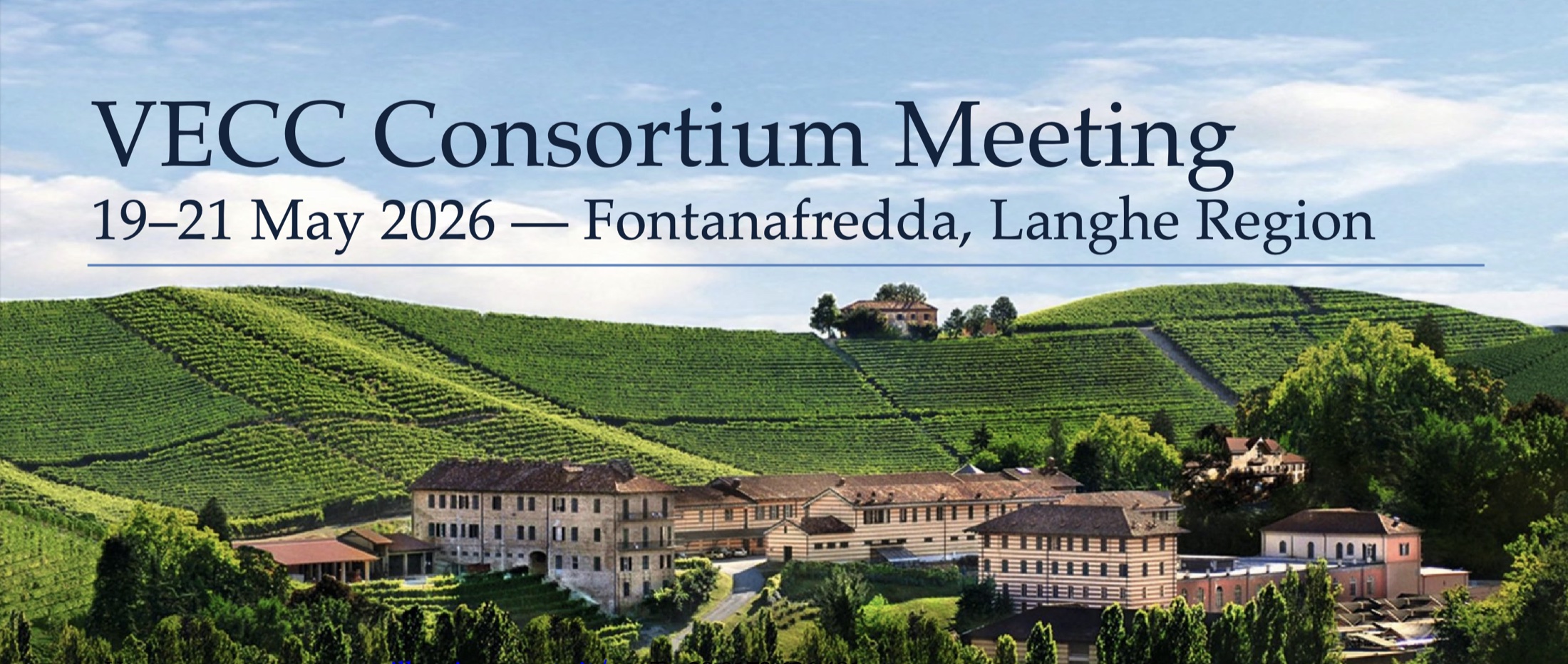
    VECC Consortium Meeting · 19–21 May 2026 · Fontanafredda

    This week we’re in the Langhe — at Fontanafredda — for the first in-person meeting of the Virtual Evolving Cancer Cell Consortium (VECC), an initiative our HT colleague Andrea Sottoriva has been pushing for.

    The aim: figure out how AI methods, the right data, and the right computational tools can together help us understand cancer-relevant cellular processes — and how a consortium of labs working in parallel can move faster than any of us could alone.

    Around thirty PIs from across Europe and beyond are part of our consortium. From HT: Andrea Sottoriva, Francesco Iorio, Jan Funke, and Florian Jug. The rest of the table brings researchers from the Crick, ICR, Sanger, EMBL-EBI, IRB Barcelona, ETH, NYGC, UCL, Curie, and a dozen other institutions — single-cell genomics, cancer evolution, spatial omics, modelling, AI methods.
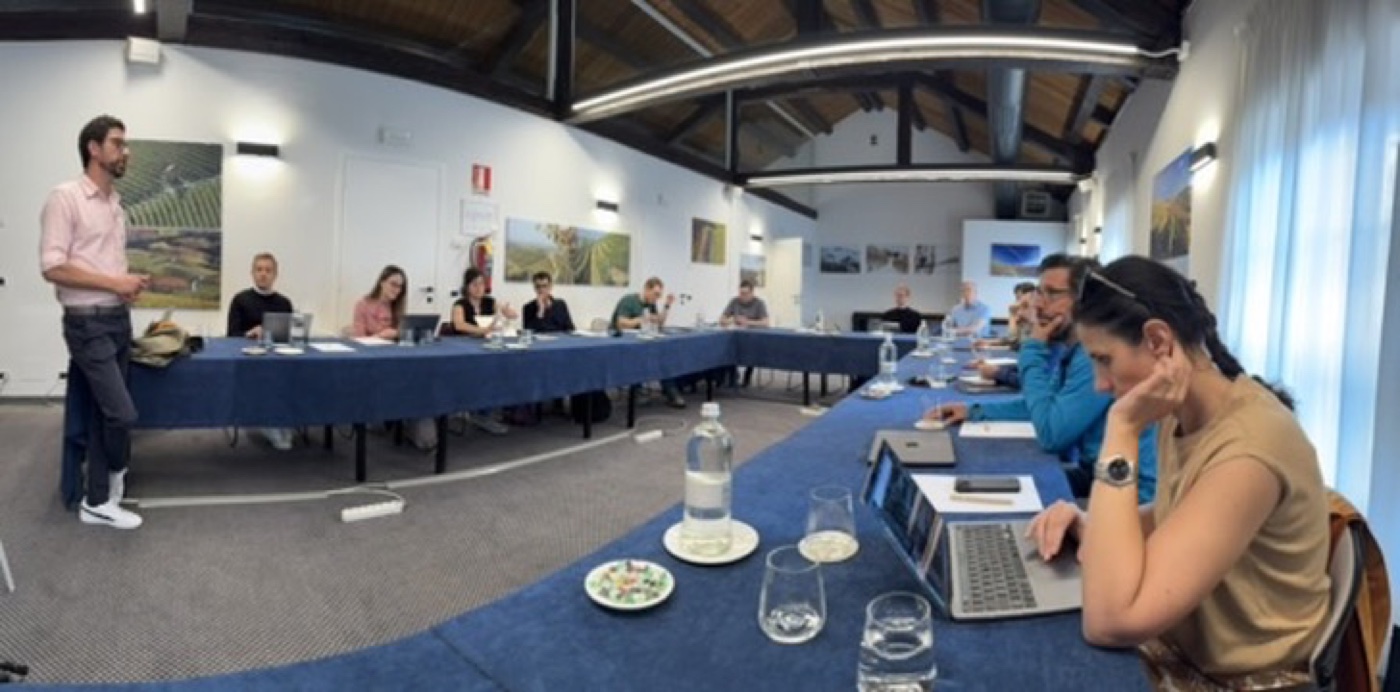
    A working session at the VECC consortium meeting
    The U-table at work — first in-person session.

    The first day mostly went into laying out where each lab stands, what each is trying to build, and which parts of the puzzle naturally connect. Lots of whiteboards and flip-charts. Not yet conclusions, but the kind of shared vocabulary that makes the conclusions possible.
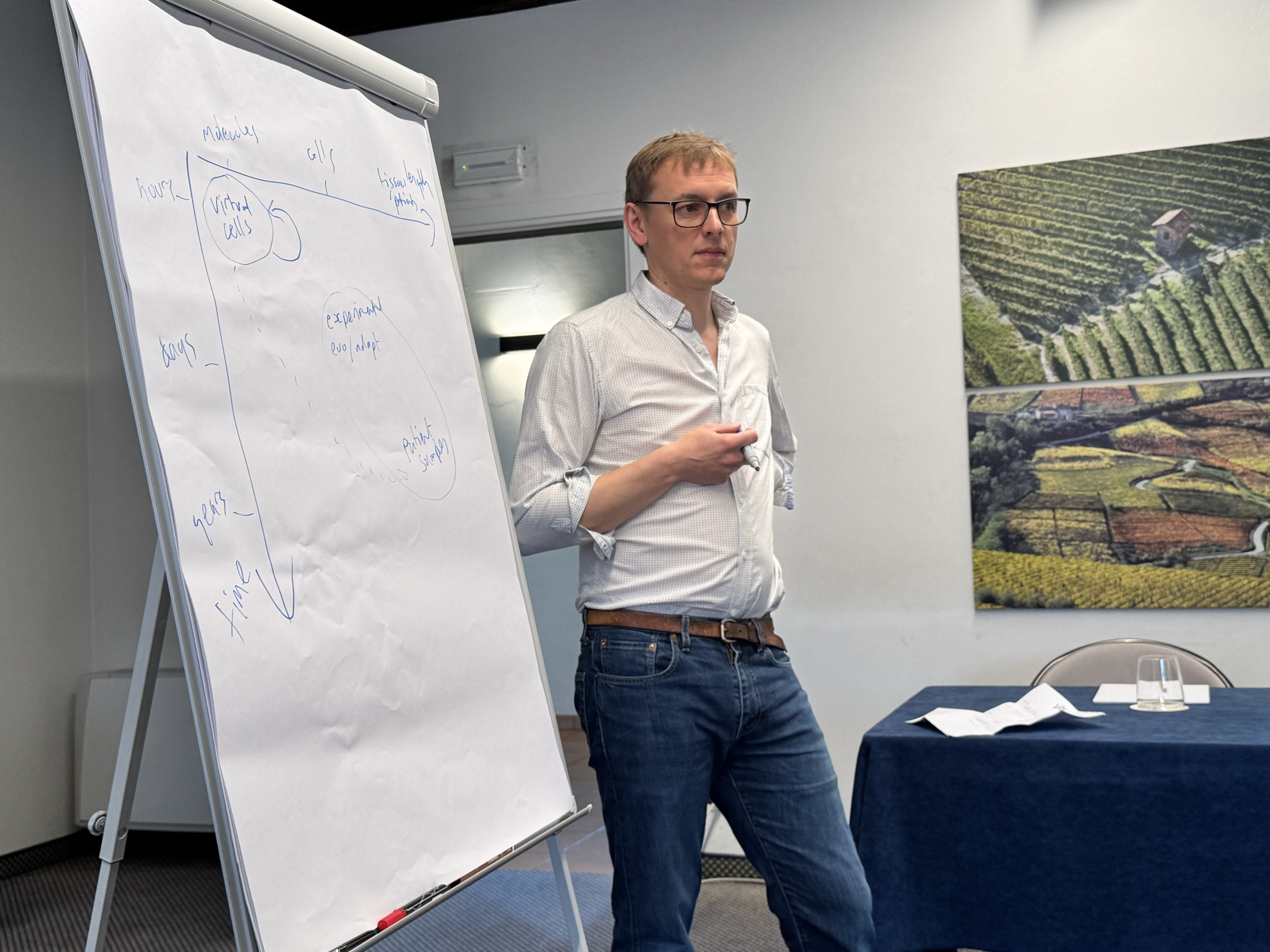
    A working session at the whiteboard
    A working session at the whiteboard.

    More to come as the consortium takes shape.
  • A visit from Fabio Petroni

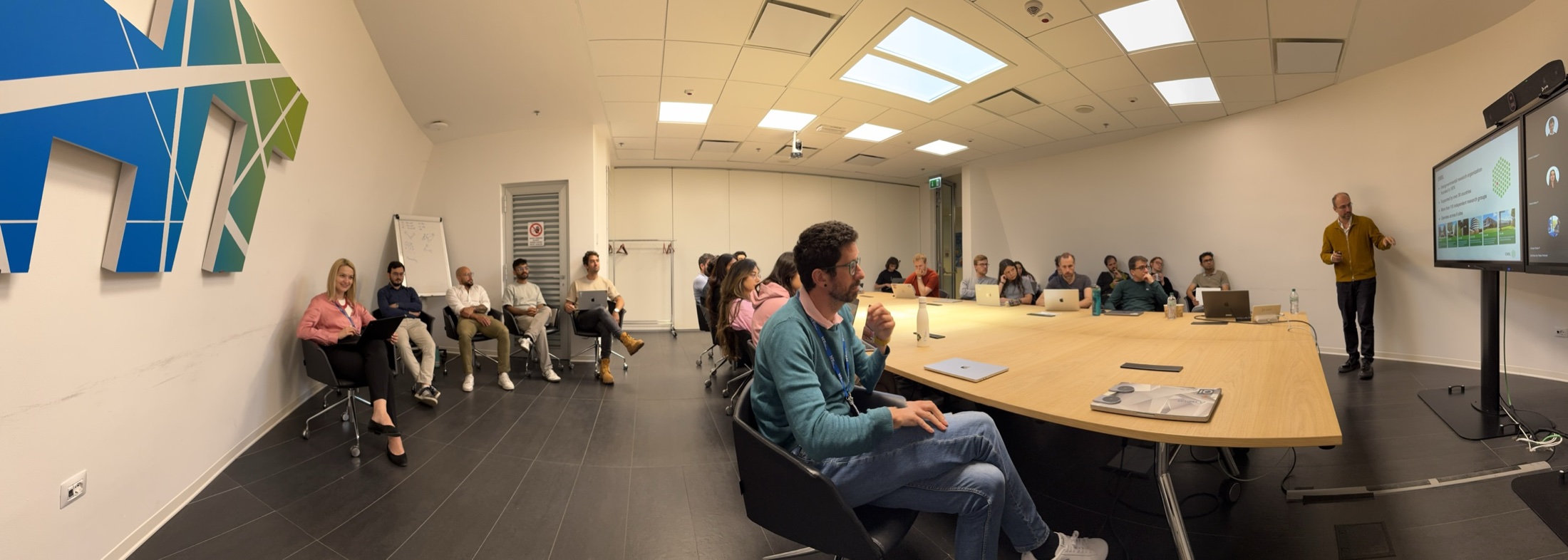
    Today we had Fabio Petroni over at Human Technopole — and it was fantastic.

    A working session at Human Technopole during Fabio Petroni's visit
    A working session in HT’s main meeting room.

    What stood out: how aligned our views are on where AI for biomedicine is going, and how productively different we are on the specifics. The kind of conversation you want to keep going, and the kind that makes you immediately want to schedule the next one.

    We share a conviction that AI’s role in biomedical research is to become a trusted partner — calibrated, transparent, and useful in real research workflows. The small differences are about how to get there, which is exactly the kind worth working through.

    Fabio, thanks for coming. I hope this was the first of many exchanges between our teams and our institutions.

    Let’s change the future — together. #worlddomination 😉

  • A visit to Politecnico di Milano

    Last week we visited Politecnico di Milano for a dissemination event organized together with the Associazione Ingegneri Matematici (AIM) and the Biomedical Engineering Association (BEA).

    The goal was twofold: introducing students to Human Technopole and the research happening in the Jug Lab, and giving students considering a research career a chance to meet us in person.

    The talks ranged across our work — who we are and how we do research at HT; AI methods for computational multiplexing in fluorescence microscopy and for breast cancer risk prediction; and the role of research software engineering in our teams. Big thanks to Aman Kukde, Federico Carrara, Ruggiero Santeramo, and Vera Galinova for sharing their work and experiences.

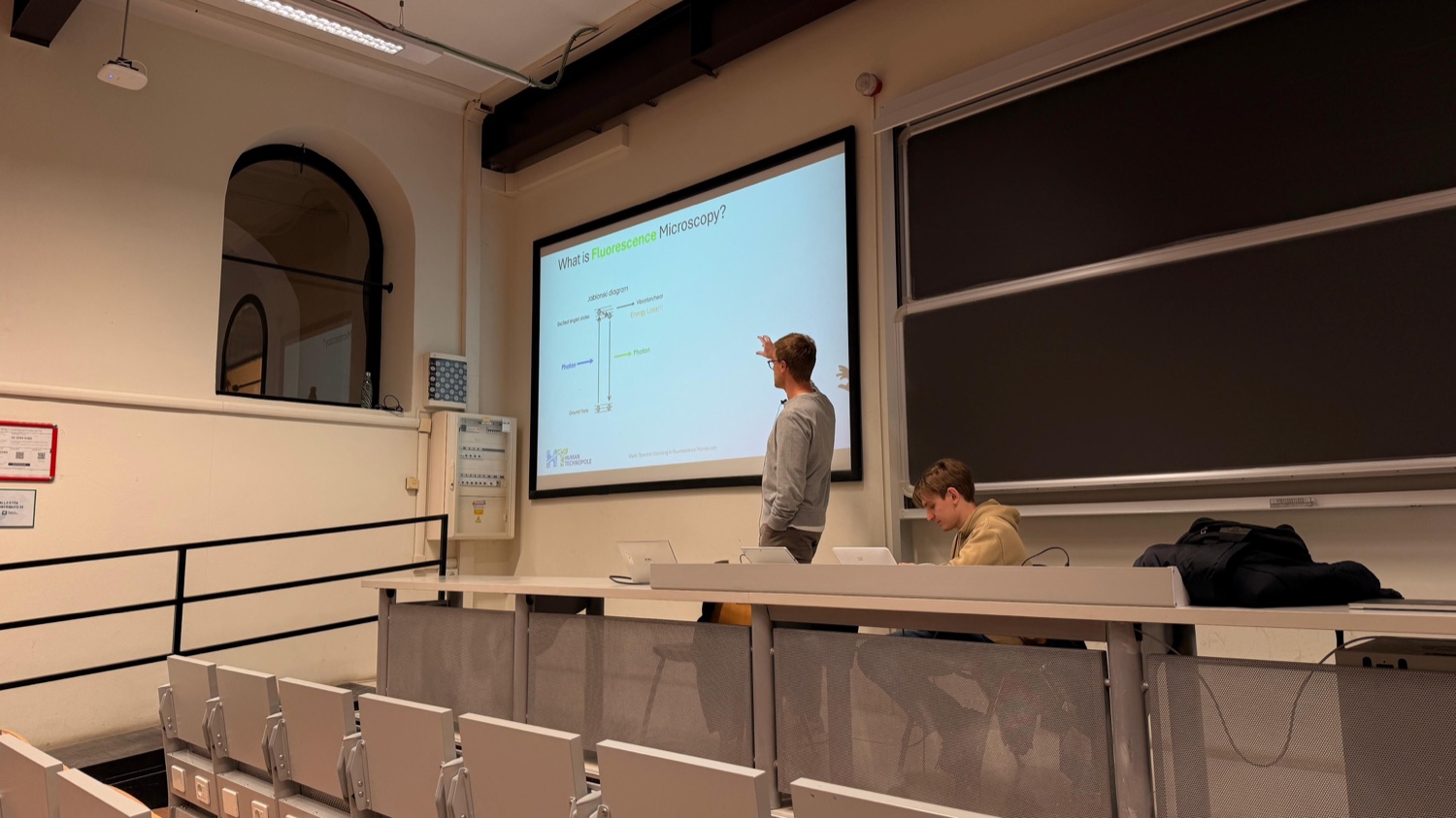
    Federico Carrara presenting on spectral unmixing in fluorescence microscopy
    Federico Carrara, on computational multiplexing in fluorescence microscopy.
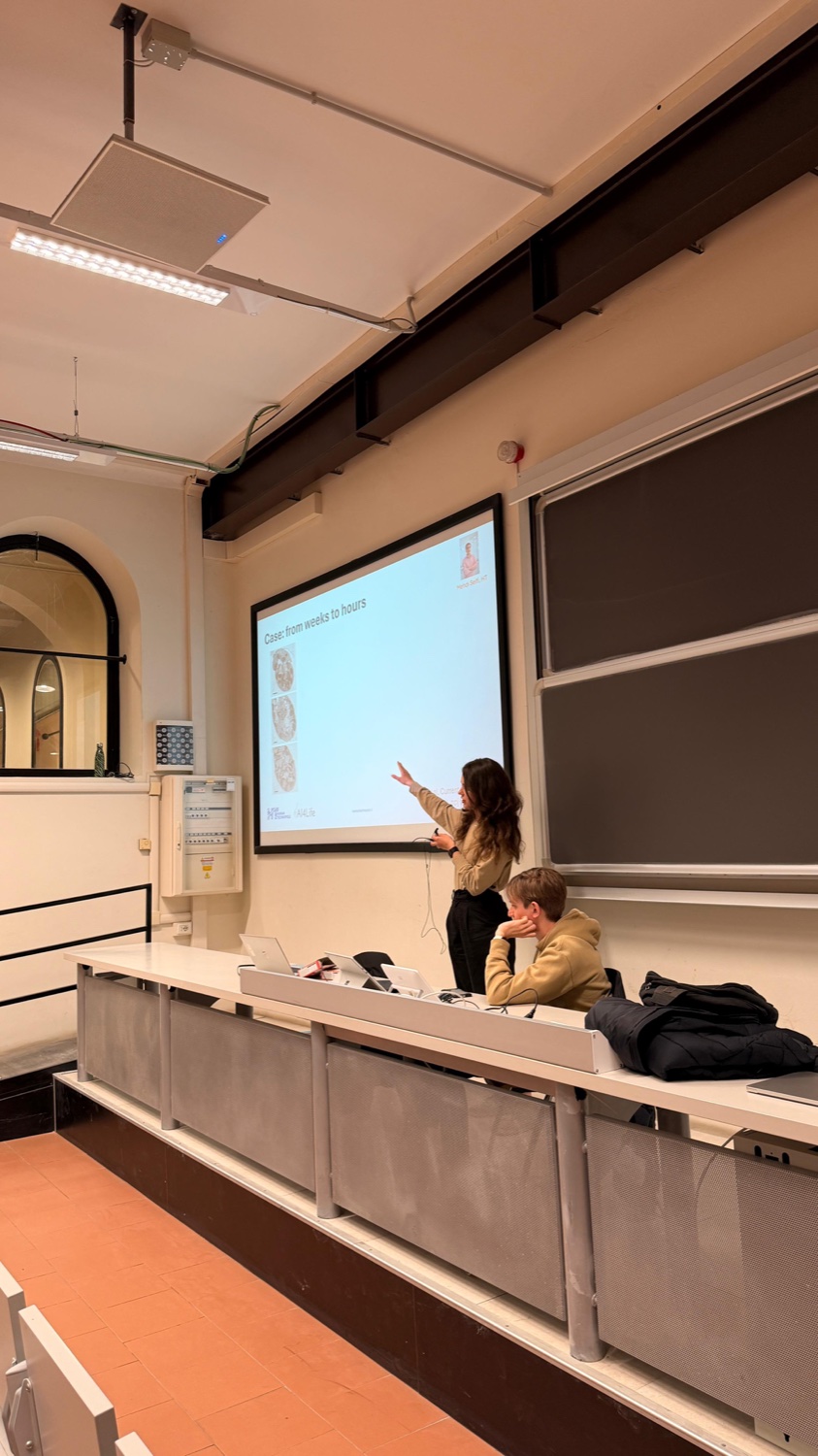
    A speaker presenting an application case at Politecnico di Milano
    A case study from the Lab — from weeks to hours.

    Around sixty students attended, and the conversations kept going long after the last talk ended — about research paths, opportunities, and what working on AI methods for biology actually looks like.

    We’re planning similar events at other universities across the Milano area. If you’d like us to come to yours, get in touch.

    See also: Ruggiero Santeramo’s LinkedIn post about the event →

  • A new look at Human Technopole — the place MAIAS calls home

    Human Technopole has just released a new promotional video — a short, beautifully-shot look at the institute, its researchers, and the questions HT works on. It captures the wider frame in which our research programme sits: AI grounded in real biology, real microscopy, real clinical questions, and the people doing the work.

    Worth three minutes. If you’d like to know what kind of place MAIAS calls home, this is it.